


Sleep Apnea Treatment Solutions
Sleep apnea and related breathing issues can impact your sleep quality, energy, headaches, and overall health. Our Michigan-based clinic focuses on identifying the specific causes of your symptoms and creating personalized treatment plans that aim for long-term improvement—not just temporary relief.
 Get Started
Understanding Sleep Apnea & Breathing Disorders
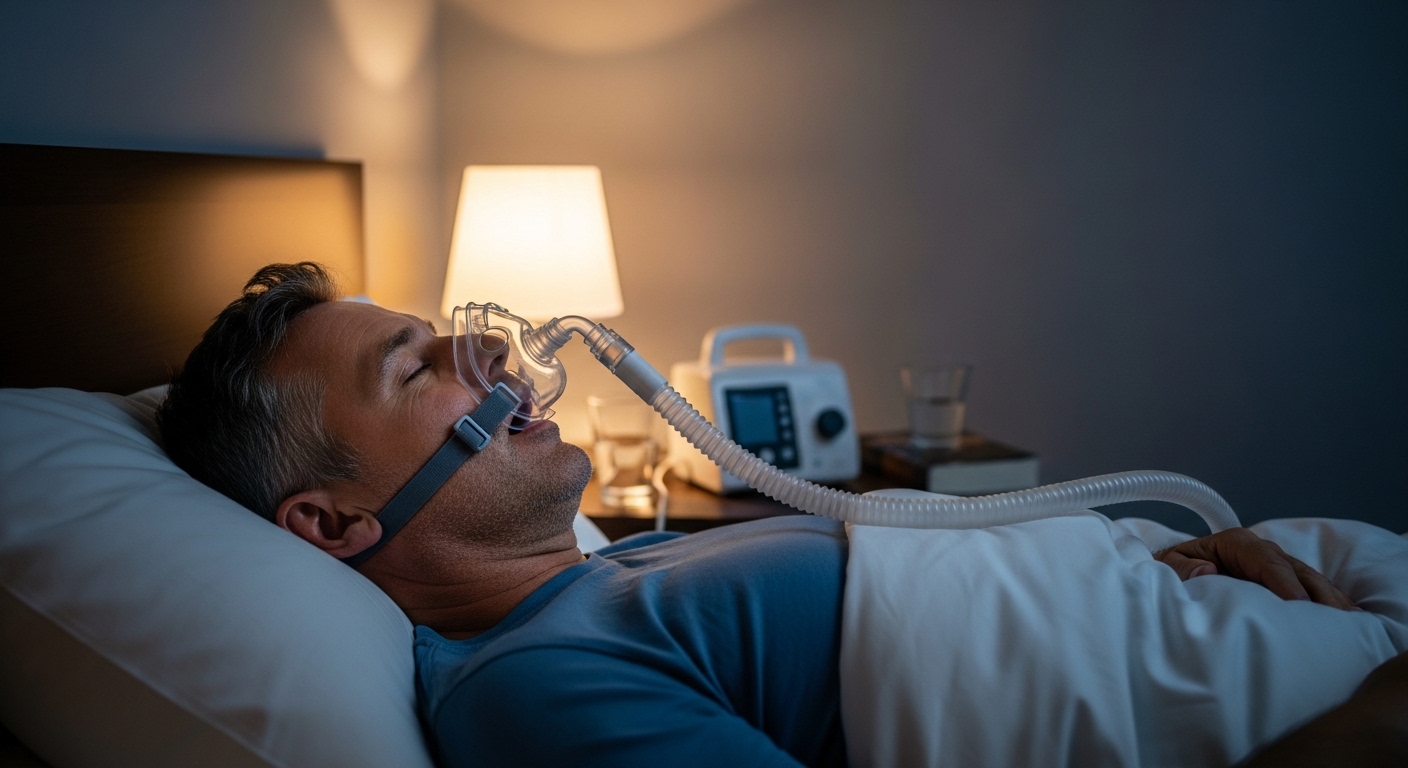
Sleep apnea is a condition where breathing repeatedly stops and starts during sleep. These interruptions can lead to daytime fatigue, headaches, irritability, and other health impacts. While many people use CPAP machines, not all patients tolerate them or find lasting relief from symptoms.
Because breathing, jaw alignment, muscle function, and airway structure are closely connected, disruptions in one area can affect sleep quality and overall nervous system balance. Identifying how these systems interact is essential to developing an effective treatment plan.
Types of Sleep Apnea
Sleep apnea can be broken down into two primary categories:
Obstructive Sleep Apnea (OSA)
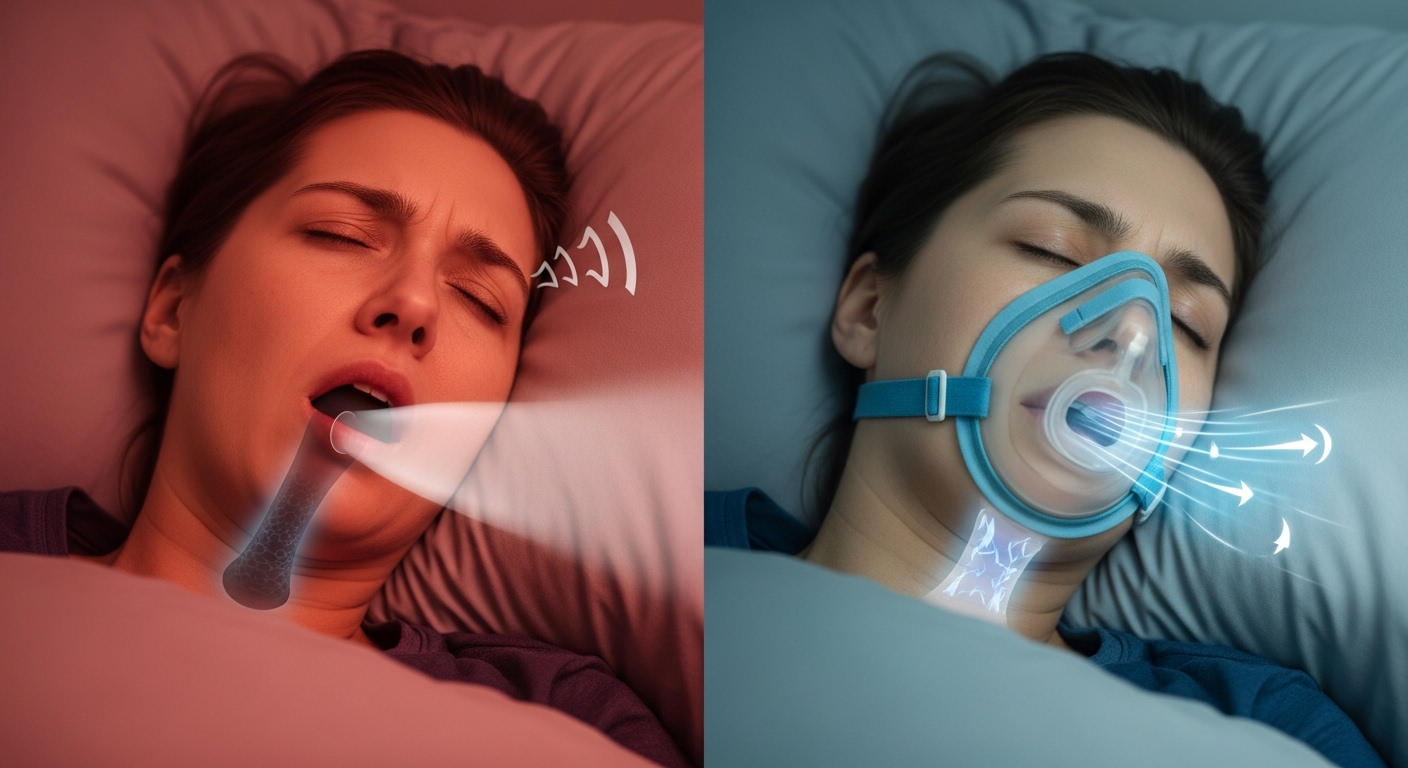
This is the most common form of sleep apnea and occurs when the airway becomes partially or completely blocked during sleep. The blockage prevents proper airflow, even though the body continues trying to breathe.
Central Sleep Apnea (CSA)
This less common form occurs when the brain does not properly signal the muscles that control breathing. Unlike OSA, it is not caused by a physical airway obstruction.
Common Symptoms of Sleep Apnea
Below are some of the most common signs and symptoms associated with sleep apnea and related airway concerns.

Loud or chronic snoring
Pauses in breathing during sleep
Gasping or choking when you wake
Excessive daytime fatigue
Morning headaches
Restless sleep or frequent waking
Poor concentration or irritability
How Sleep Apnea Treatment in Michigan Helps
Sleep apnea does not have to be a life sentence of fatigue and restlessness. With proper evaluation, the specific factors contributing to your sleep disruption can often be identified and improved.
Our approach evaluates airway anatomy, muscle tone, jaw alignment, and breathing patterns to determine the best path forward. Treatment is personalized and designed to enhance airflow, reduce sleep interruptions, and restore more natural, restorative sleep.
Whether you have tried CPAP in the past or need an alternative path, our goal is to help reduce symptoms and improve your quality of life.
Your Sleep Apnea Treatment Journey
We make it easy to understand what comes next, so you feel supported from start to finish.

Step 1: Initial Consultation
We begin by listening to your symptoms, sleep patterns, and concerns.
Step 2: Comprehensive Evaluation
Airway, muscle function, jaw alignment, and breathing patterns are carefully assessed.
Step 3: Accurate Diagnosis
We identify the underlying factors contributing to your sleep disruptions and related symptoms.
Step 4: Personalized Treatment Plan
Your care plan is tailored to your specific needs and designed for meaningful improvements.
Step 5: Ongoing Care and Support
Progress is monitored and adjustments are made to support better sleep and overall wellness.
 Get Started Now
Patient


David
Mark Anderson
Mark Elise
Karmen Elis
Stop Letting Pain Hold You Back
Start your personalized treatment today and take the first step toward lasting relief.
Not Sure If Sleep Apnea Is Causing Your Symptoms?
Breathing issues, poor sleep, headaches, and daytime fatigue often overlap with other conditions like TMJ or migraines. You do not need a diagnosis to reach out. We will help you understand what may be contributing to your symptoms and guide you toward the right next step.
 Call Our Office